
Want to know how to get direct bookings for your luxury holiday home? Start by building a route guests can discover independently—not by asking someone on Airbnb to book elsewhere.
That distinction isn’t a technicality. It’s the foundation of a direct channel you can develop without deliberately putting your platform presence at risk.
You don’t have to abandon your listings. You need a clear destination, a few sensible ways to bring people there, and a booking experience that earns their confidence.
Direct bookings are a separate channel.
Not a platform workaround.
Airbnb’s current policy says payments for current, future and repeat bookings must stay on Airbnb. It prohibits off-platform discounts, redirecting an existing reservation or enquiry, and rebooking Airbnb reservations elsewhere.
So don’t cancel a platform booking to recreate it on your site. Don’t put a “book cheaper here” link into an Airbnb enquiry. And don’t assume a guest’s previous stay gives you permission to use their platform-supplied details for direct marketing.
The better question is: how can people find your property through your own activity?
Think independent referrals, your own social content, local relationships and people who discover your website in search. If a booking originated through Airbnb, follow its rules rather than treating a later website visit as a loophole.
Policy checked 3 November 2026. Read Airbnb’s pricing and payment transparency policy for the full rules and limited exceptions. This is general information, not a guarantee against enforcement.
Before chasing more people,
make the next step obvious.
Picture someone seeing your terrace on Instagram. They like it. They tap through. What happens next?
If the website hides the location, sleeping arrangements or booking route, you’ve made a warm enquiry work too hard.
Give them a useful first impression:
- Show the property accurately, with current photographs.
- Explain where it is, who it suits and how many people it sleeps.
- Make dates, pricing or the enquiry process easy to understand.
- Put contact details and booking terms somewhere obvious.
- Offer one clear next step: check dates or enquire.
A panoramic opening can set the mood. The rest of the page needs to answer the questions that stand between “That looks lovely” and “Let’s ask about it.”
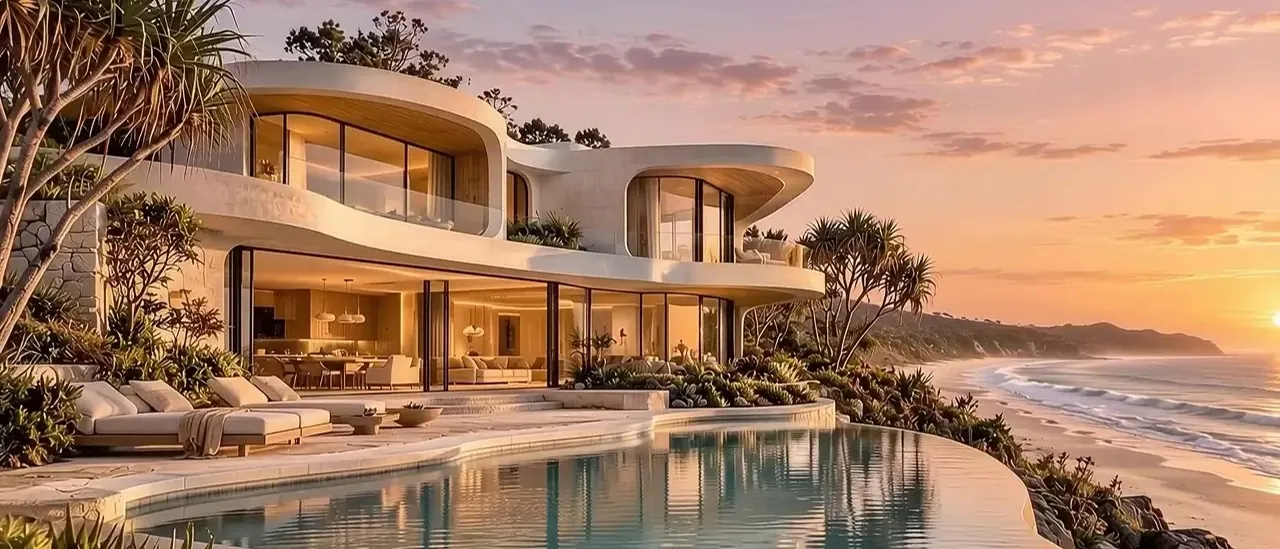
How to get direct bookings:
five routes worth testing.
1. Make your property name easy to follow.
Use a consistent name and your own domain across your independent marketing. Write a page title that explains the property and its location. Give visitors practical information, not a string of luxury keywords.
This creates a coherent destination for people already looking for you. It doesn’t guarantee rankings or give permission to redirect an active platform enquiry.
2. Give your social posts a purpose.
A lovely sunset is a start. Pair it with something useful: the dining setup, a winter weekend itinerary or how the bedrooms suit a family group.
Then send interested people from your own profile to a relevant page. Try “Explore the estate and enquire about dates” rather than vague instructions to find a link somewhere.
Keep the photographs honest. A compelling story shouldn’t hide a road, invent a view or suggest an amenity that isn’t there.
3. Build a handful of relevant local relationships.
Consider businesses whose customers might genuinely need your accommodation: a nearby winery, a retreat organiser or an event venue.
Give them an accurate introduction and a simple page to share. Be clear about group sizes, permitted use and restrictions. Don’t promote weddings or corporate events unless your approvals, insurance and operating arrangements support them.
One thoughtful conversation is a better starting point than sending the same pitch to every business in the region.
4. Stay in touch with your own consenting audience.
Invite independently acquired subscribers to hear about your property. Explain what they’re signing up for and keep a record of consent.
A past direct booking or an enquiry isn’t automatic permission to send promotions. ACMA requires consent, accurate sender identification and an easy unsubscribe mechanism for marketing messages.
A short, useful seasonal update is enough. You don’t need to become a daily newsletter publisher.
See ACMA’s guidance on avoiding spam. Unsubscribe requests must generally be honoured within five working days.
5. Treat Google’s accommodation products separately.
Being visible in ordinary search, having a Google Business Profile and appearing in Google Vacation Rentals are different things.
Google explicitly lists rental properties such as holiday homes as ineligible for Business Profiles; eligible sales or leasing offices are a separate category. Don’t create a misleading profile for the estate itself.
If you want to explore Google Vacation Rentals, check the current eligibility and connection options with your booking provider. Don’t assume publishing your website automatically creates an accommodation listing.
See Google Business Profile eligibility and Google’s lodging categories.
What about Airbnb’s
“direct booking link”?
It isn’t the same as taking a booking through your own website.
Airbnb describes it as a limited pilot for eligible listings, with a lower host fee and an optional guest discount. Guests still need an Airbnb account and complete Airbnb’s normal booking process.
The help page doesn’t establish universal Australian availability or one fixed reduced fee. Check your own listing editor rather than relying on a percentage quoted elsewhere.
You can consider an eligible Airbnb link as one option. Just don’t confuse a reduced-fee Airbnb booking with an independent booking channel.
Source: Airbnb’s direct booking link guidance, checked 3 November 2026.
One stay. A useful comparison.
Not a promise.
Example maths: four nights at A$1,000 plus A$400 cleaning gives a A$4,400 subtotal. Using a 15.5% Airbnb host fee and Stripe’s standard domestic-card processing rate:
| Example route | Listed fee | After that fee only |
|---|---|---|
| Airbnb at 15.5% | A$682.00 | A$3,718.00 |
| Direct, one domestic-card payment | A$72.90 | A$4,327.10 |
That’s a A$609.10 difference before direct-channel costs. Website, booking software, marketing, administration and applicable taxes or levies still need accounting for. Different cards, payment schedules and provider arrangements can change the result.
This is not profit, and it doesn’t predict how many bookings you’ll attract. Compare your actual costs and avoid assuming the same subtotal produces the same guest demand in both channels.
Sources: Airbnb’s single-fee explanation and Stripe Australian pricing. Stripe rate: 1.65% plus A$0.30, including GST. Any additional GST on Airbnb’s fee is excluded here; check your invoice. Fees checked 3 November 2026.
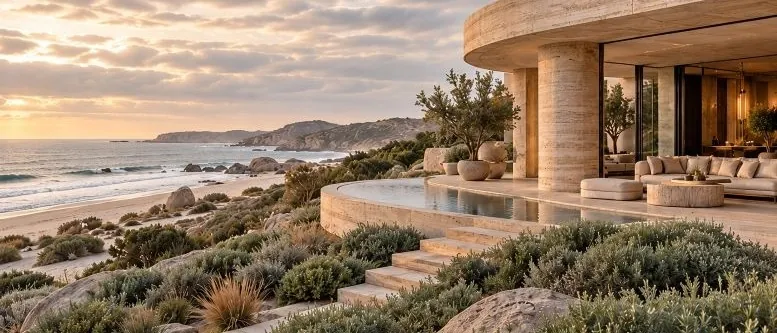
A sensible first month.
Choose one audience and one route. Perhaps it’s couples discovering your coastal stay through Instagram, or independently referred families planning a school-holiday trip.
Then check the journey yourself on a phone. Can you understand the property, find the terms and send an enquiry without getting stuck?
Keep a simple record of where enquiries came from, which became bookings and what you spent acquiring them. Ask guests how they found you rather than assuming every enquiry came from the last post you published.
Fix obvious friction before paying to send more traffic. A smaller, clearer experiment tells you more than trying five channels with no way to judge them.
Make the interest
worth following.
At Sold by Scroll, I build affordable, done-for-you websites for luxury stays. The aim is to give independently interested guests a useful, considered destination.
01. Your place, properly presented
Your photography and property story, with a cinematic opening created from a suitable image.
02. Your own domain
A consistent address for your independent marketing, recommendations and enquiries.
03. A supported booking route
A booking link, supported widget or enquiry flow that fits your existing setup.
04. Less website work for you
You deal with me directly. Separate hosting and care options are available after launch.
The website supports the journey. It doesn’t replace a demand strategy or guarantee bookings.
Before you start.
Can I put my website into Airbnb messages?
Not to redirect an existing reservation or enquiry. Follow Airbnb’s current policy rather than treating messaging as a direct-sales channel.
Should I stop using the platforms?
Not because you launched a website. Assess each channel on its actual contribution and operating requirements.
What if I only get enquiries?
Review response times, price clarity and booking friction. An enquiry is interest, not guaranteed revenue.
Give your guests
a clear next step.
I’m Ivan (Ivanski) Kramer, the Australia-based founder of Sold by Scroll. If you want an online home for your estate, have a look around.
We can talk about your property, your booking setup and how the website would fit. No big promises. Just a useful conversation about what comes next.

Ivan (Ivanski) Kramer
Founder, Sold by Scroll · Australia-based
Affordable, considered websites for extraordinary places.
Property imagery is illustrative and supplied for this article, not evidence of completed client projects. Features depend on agreed scope and supported systems. Domain, booking-provider and ongoing costs may be separate. This is general information, not legal, tax or compliance advice. No booking outcomes, rankings or protection against platform enforcement are guaranteed. Recheck policies and fees before publication.